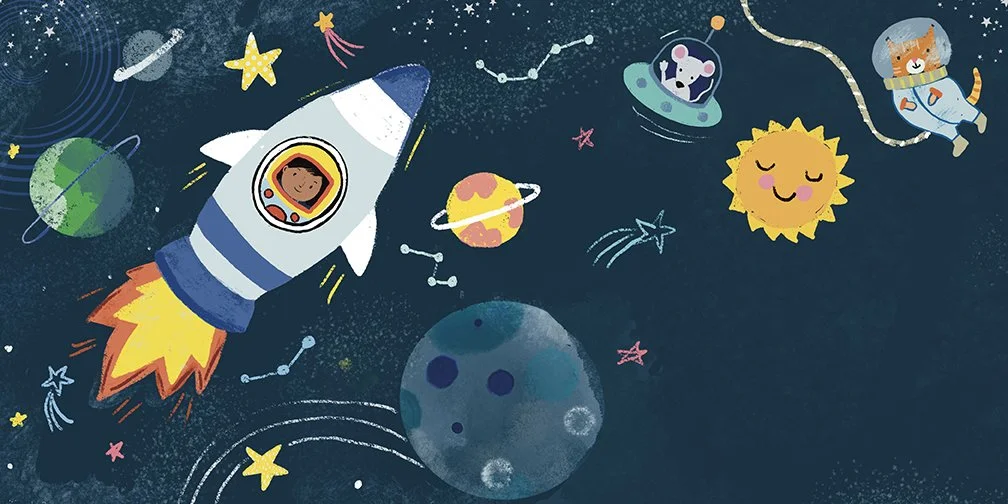
From a little spark of inspiration to a story that children can hold in their hands.
Have you ever wondered how a picture book begins?
Sometimes, it starts with a character who pops into my head. Sometimes, it's a little moment I've noticed, a childhood memory, a conversation I've overheard, or something that makes me laugh. And sometimes, an idea arrives when I'm not looking for one at all.
As an author and illustrator, I'm always collecting little bits of inspiration. I never quite know which one might turn into a story.
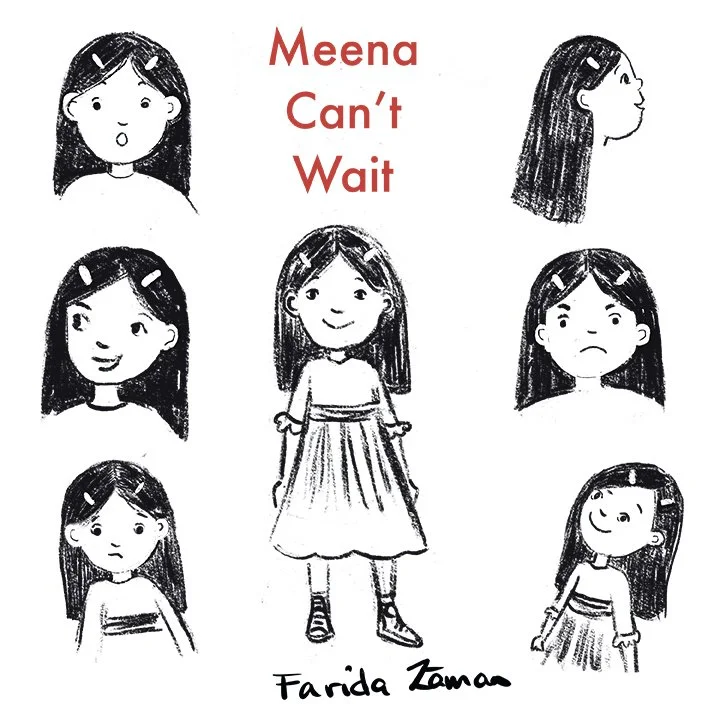
Character sketches from Meena Can’t Wait (Orca Books 2024)
Every book begins somewhere.
It might be a question. What if a little girl couldn't wait for something exciting to happen? What if an ordinary blanket had a very extraordinary story to tell?
I jot down ideas in notebooks, make little sketches, and let my imagination wander. Most ideas don't become books, and that's perfectly fine. Some need time to grow. Others simply disappear.
But every now and then, an idea sticks around.
I find myself thinking about it, wondering about the characters, and imagining what might happen next. That's when I start to pay attention.
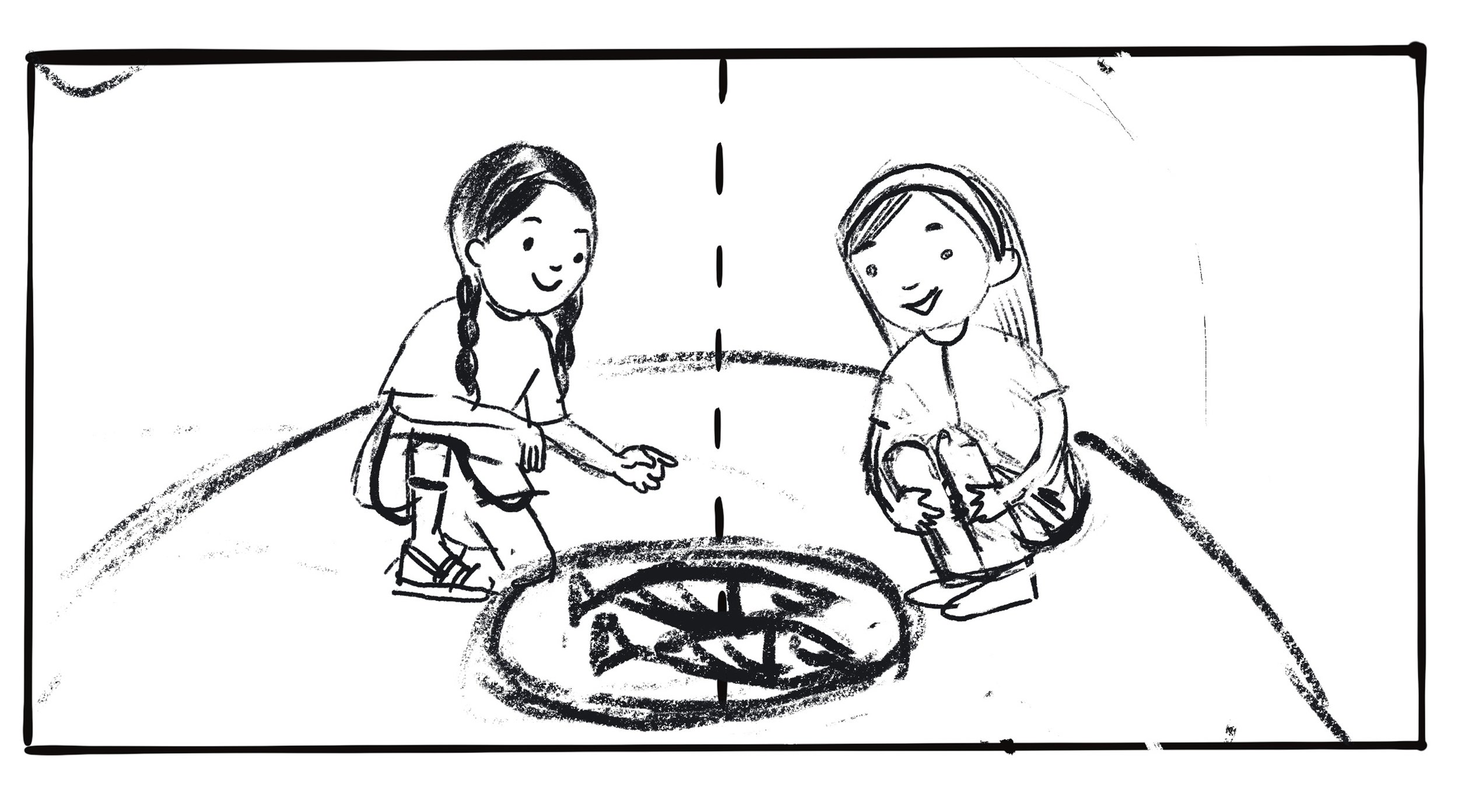
Some initial character sketches for my Picture Book Samina Goes to a Wedding
An idea is one thing. Turning it into a story is quite another!
I begin playing with words, thinking about the characters and what they want. What is the heart of the story? What might make a child laugh, wonder, or feel understood?
I write, rewrite, move things around, and sometimes start all over again.
Picture books may be small, but telling a story in so few words is a wonderful challenge. Every word has to earn its place. I want the story to feel natural when read aloud, with a rhythm that carries the reader from one page to the next.
And then there's the question of what the pictures might say.
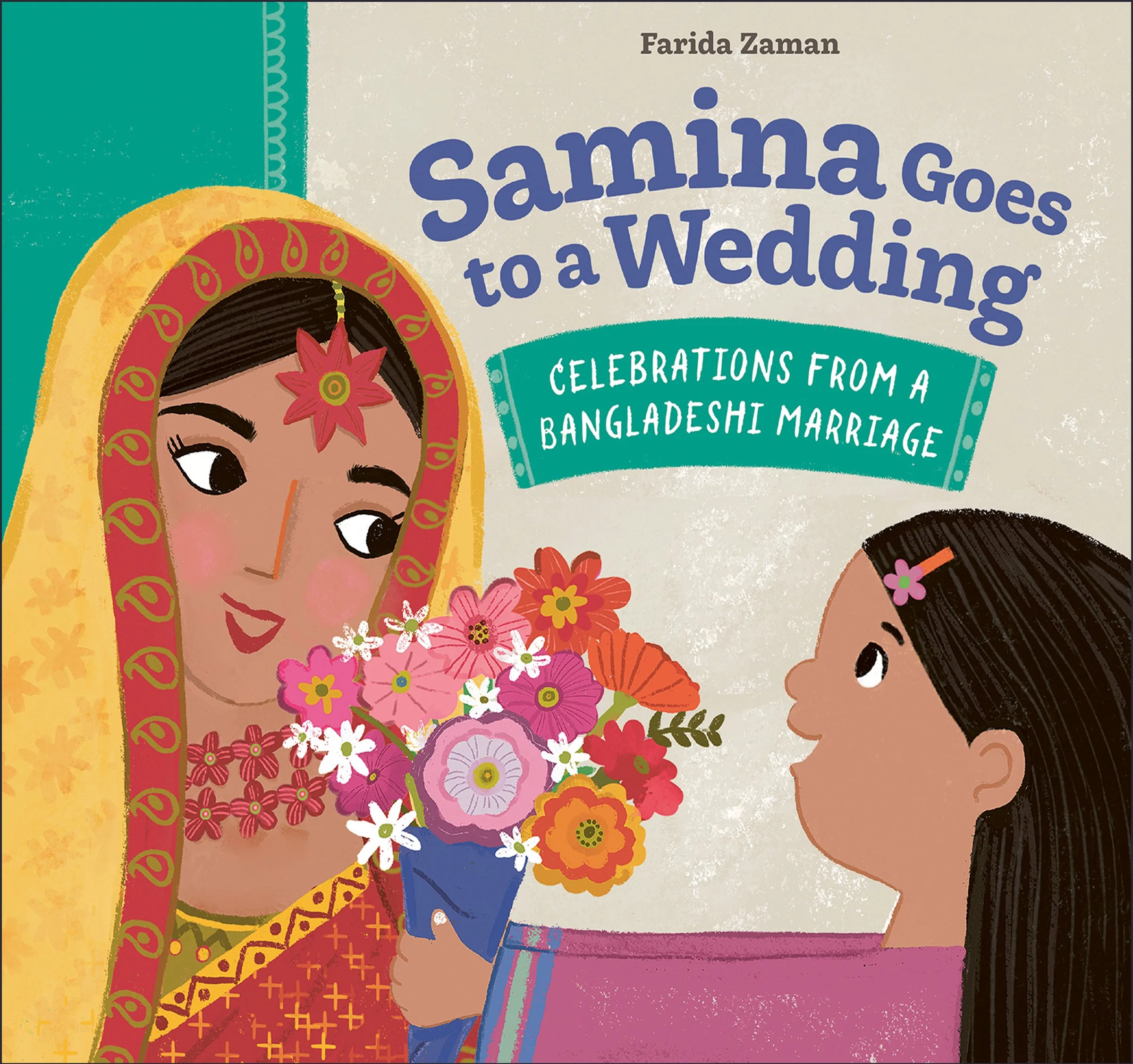
The Book cove - Samina Goes to a Wedding
This is where I get to bring my two worlds together: writing and illustrating.
I start doodling characters, exploring colours, and imagining the places where the story might unfold. What does the main character look like? How do they move? What might be happening in the background that isn't mentioned in the text?
I love adding little details for readers to discover. Sometimes, the pictures can tell a completely different part of the story from the words. A character's expression, a tiny object in the corner, or something happening behind the main action can make a page even more interesting.
The illustrations aren't simply decorations. They are part of the storytelling.
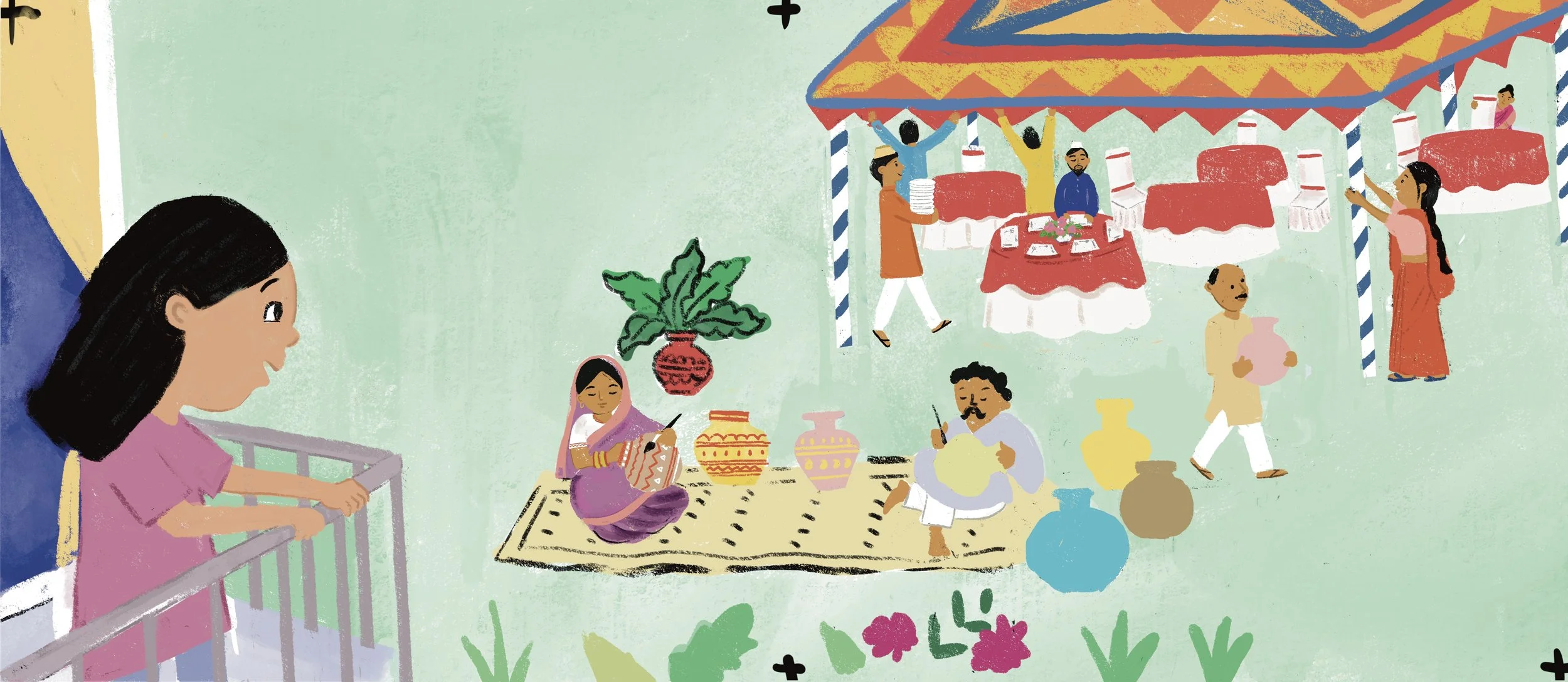
A double page from Samina Goes to a Wedding
Before I begin the finished illustrations, I work out how the story will unfold across the pages.
I make rough sketches and little page layouts, often called a dummy. This helps me see how the words and pictures work together, where the page turns fall, and how the story builds from beginning to end.
A picture book is a visual journey. Each page needs to move the story forward, and the page turns can bring surprises, anticipation, or a little moment of humour.
Sometimes a scene needs more space. Sometimes a sentence needs trimming. I move things around until the story begins to feel right.
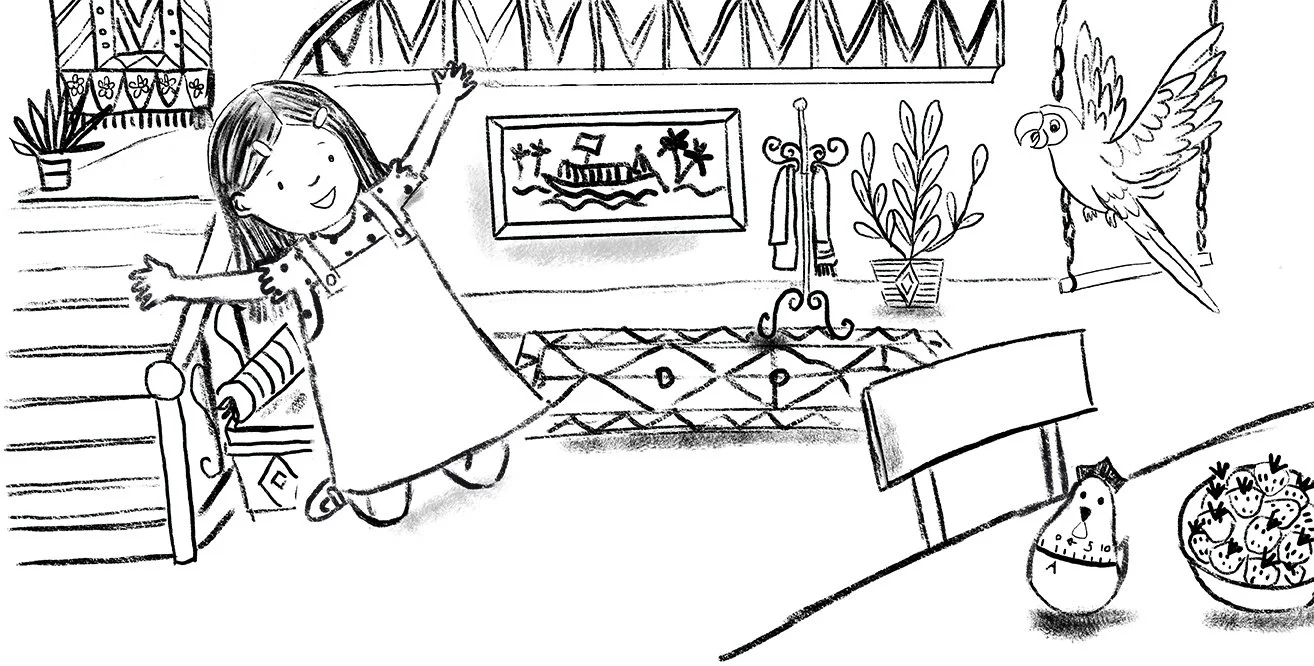
A sketch from Meena Can’t Wait
Now comes one of my favourite parts: bringing the pictures to life.
I experiment with composition, colour, texture, and expression. Depending on the project, I might work with watercolour, gouache, acrylic, or digital tools.
There are plenty of revisions along the way. A character might need a different expression. A page might need more breathing room. A colour might need adjusting so that the whole book feels cohesive.
I love watching the illustrations evolve. The early sketches might be loose and full of possibilities, while the finished artwork becomes more detailed and expressive.
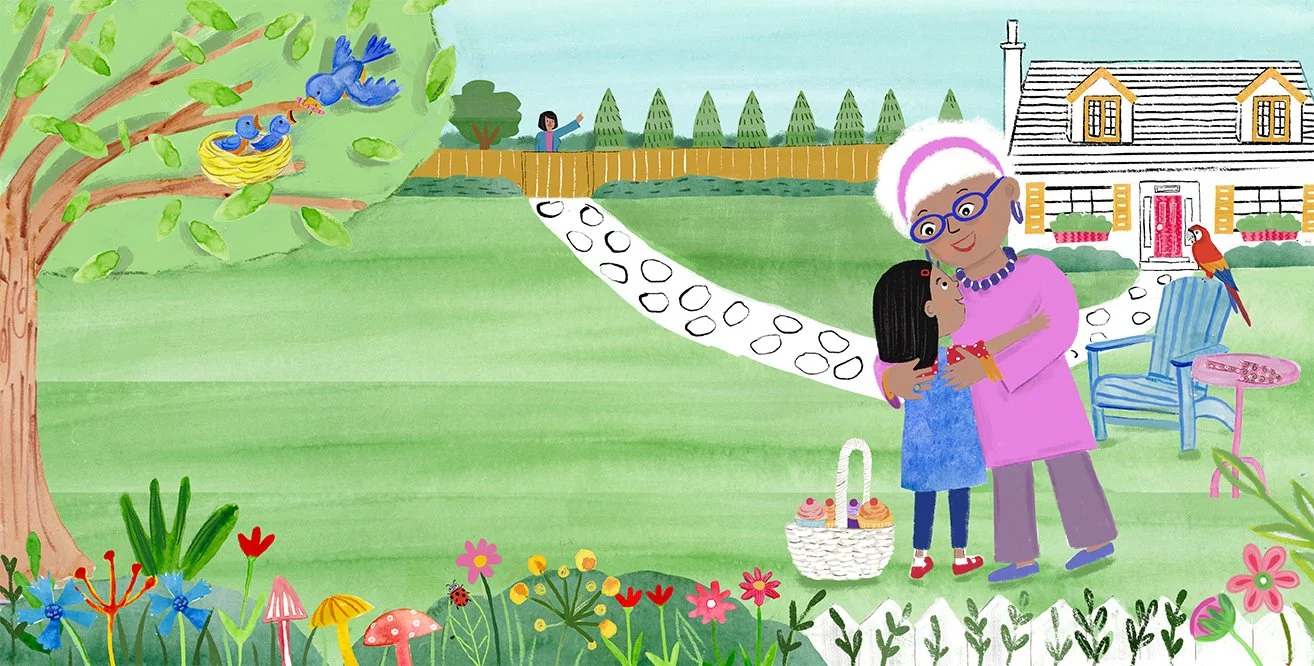
A finished spread from Meena Can’t Wait
When I'm working with a publisher, creating a book becomes a collaboration.
Editors, art directors, designers, and other members of the publishing team all help guide the process. Their questions and suggestions can open up new possibilities and make the book stronger.
It's a reminder that even though a story may begin with one person's idea, bringing a picture book into the world is often a team effort.
Eventually, the illustrations are finished, the pages come together, and the book begins to feel real.
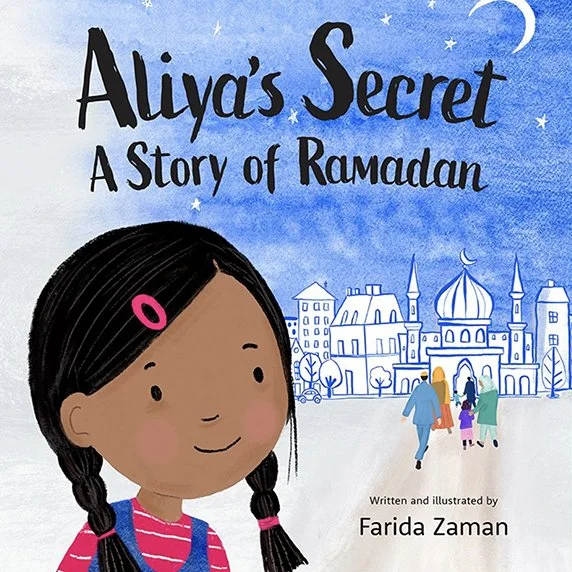
There's something rather wonderful about seeing a story that once existed only in your imagination become a book that children can hold in their hands.
All those little decisions, revisions, sketches, and colour experiments have come together in one place.
And yet, once the book is published, something else happens. The story no longer belongs just to me. Children bring their own imaginations to it. They notice different details, ask unexpected questions, and sometimes find things in the pictures that I hadn't even thought about!
That's one of the loveliest parts of making books for children.
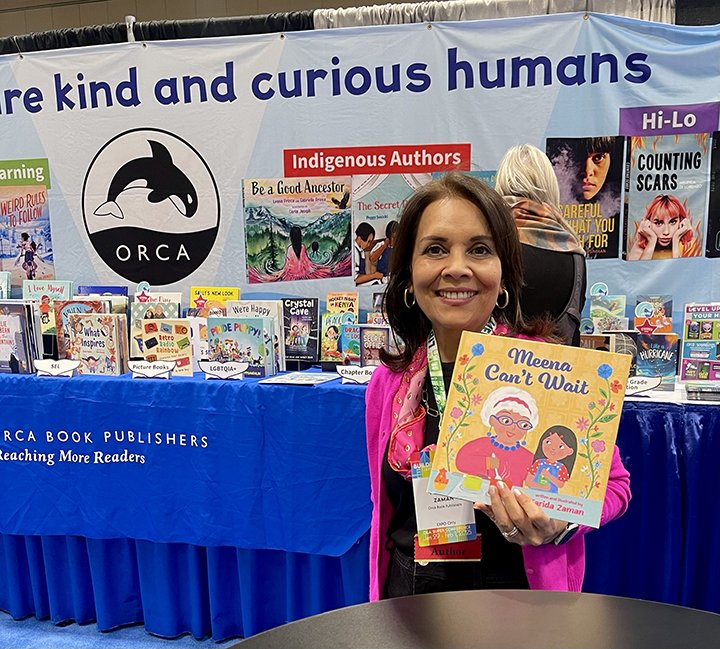
Meena Can’t Wait- Orca Books 2024
That's part of what I love about creating picture books. There is room for curiosity, surprises, and a little bit of magic along the way.
Perhaps the most important thing I've learned is that ideas don't always arrive fully formed. Sometimes, you simply have to follow a little spark and see where it leads.
So the next time you read a picture book with a child, take a moment to look closely at the illustrations, too. There might be a whole other story hiding in the pictures.
You never know what you might discover!